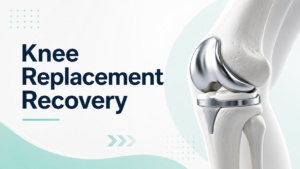

This guide breaks recovery down by time frame so you can understand what commonly happens, what matters most, and how to think through your next steps.
Quick Answer
Most people make meaningful progress during the first 6 to 12 weeks after total knee replacement, but full recovery often takes longer. Walking, swelling, stiffness, strength, and stairs may all improve at different speeds.
The goal is not to force your knee to match a perfect timeline. The better goal is to understand what matters most at each stage and adjust your activity based on how your knee responds.
Key Takeaways
- The first 2 weeks are about calming the knee down while keeping it moving.
- Weeks 3–6 are usually when walking, motion, and basic daily function start improving.
- Weeks 7–12 are where strength, stairs, endurance, and confidence become bigger priorities.
- Swelling and stiffness can last for months, especially after busy days or harder exercise.
- Recovery does not stop at 12 weeks. Strength and activity tolerance often keep improving for 6–12 months.
Why Recovery Takes Time
A total knee replacement is a major surgery, but recovery is not only about the new joint. Your knee also has to recover from swelling, stiffness, pain, muscle weakness, changes in walking, and the stress of surgery itself.
That is why progress can feel uneven. Your knee may bend better one day, feel stiffer the next morning, or swell after a busier day. This does not automatically mean something is wrong. It usually means your knee is still learning how much activity it can tolerate.
A good recovery plan should help you improve motion, rebuild strength, restore walking, and gradually increase activity without constantly flaring the knee up.
Weeks 0–2: Protect, Calm Down, and Start Moving
The first two weeks are usually the most reactive part of recovery. Pain, swelling, bruising, fatigue, sleep disruption, and difficulty getting comfortable are common.
This stage is not about pushing hard. It is about calming the knee down, keeping it moving, and setting the foundation for better walking, motion, and quad control.
Main goals
- Manage swelling and soreness.
- Begin gentle knee bending and straightening.
- Wake up the quadriceps.
- Walk short distances safely.
- Avoid sitting or lying still for too long.
- Use your walker or assistive device until your walking is steady.
What matters most
The knee often feels heavy, stiff, swollen, and hard to control early on. That does not mean you are failing. Swelling can make the knee feel tighter and can also make the quadriceps harder to activate.
At this stage, gentle consistency matters more than intensity. Think small doses, repeated often, with recovery built in.
What to do next
Focus on short, frequent walks around the house, gentle knee motion, quad sets, ankle pumps, comfortable knee straightening positions, and swelling management.
The goal is not to force big changes every session. The goal is to keep the knee moving, monitor how it responds, and avoid letting one big session create a bigger flare-up.
Common mistakes
- Trying to force knee bending aggressively.
- Sitting for long periods without moving.
- Ditching the walker too early.
- Doing one huge exercise session instead of several smaller ones.
- Judging progress only by pain level.
- Ignoring swelling response after activity.
Weeks 3–6: Build a Rhythm Without Overdoing It
Weeks 3–6 are often when people start to feel more capable. Walking may feel easier, pain may be more manageable, and daily tasks may start to feel less overwhelming.
This is also a common time to overdo it. You may feel good enough to do more, but the knee may still react later that day or the next morning with more swelling, stiffness, soreness, or fatigue.
Main goals
- Improve walking quality.
- Continue improving knee bending and straightening.
- Build better quad control.
- Gradually increase daily activity.
- Learn how much activity your knee can tolerate.
What matters most
This phase is about building a rhythm. Your exercises and daily activity should challenge the knee enough to improve, but not so much that every day becomes a flare-up.
A helpful question is: “Does my knee calm back down after this, or does it stay more swollen and irritated into the next day?”
If the knee stays more swollen, stiff, or sore afterward, the activity was not necessarily bad. It may just mean the dose was too much.
What to do next
Keep working on walking, knee motion, quad strength, and daily activity tolerance. Gradually increase what you do, but change one thing at a time.
For example, do not increase walking distance, stair practice, and exercise intensity all on the same day. Pick one area to progress and watch how your knee responds.
Common mistakes
- Increasing walking too quickly.
- Treating stiffness as something that must be forced through.
- Doing exercises but ignoring walking quality.
- Skipping recovery strategies once pain improves.
- Comparing your recovery to someone else’s timeline.
Weeks 7–12: Strength, Stairs, Walking, and Confidence
Weeks 7–12 are where many people start doing more normal daily activities. Walking may feel smoother, you may rely less on assistive devices, and you may feel more confident getting around.
But this phase can still be frustrating. The knee may feel better, but not yet strong, natural, or fully dependable.
Main goals
- Improve leg strength.
- Build walking endurance.
- Improve stair confidence.
- Work on balance and control.
- Increase tolerance to daily activity.
- Reduce compensation patterns.
What matters most
This is where walking alone is usually not enough.
Walking is important, but it does not fully rebuild the strength needed for stairs, getting up from chairs, stepping down, squatting, carrying objects, or returning to fitness.
This phase usually needs more targeted strengthening and progressive loading.
What to do next
Focus on controlled strengthening and functional movements. This may include sit-to-stands, step-ups, balance work, stationary biking, controlled squatting patterns, and gradually increasing resistance as tolerated.
The goal is to build capacity without constantly irritating the knee. If swelling or soreness increases significantly after harder exercise, adjust the dose instead of stopping everything.
Common mistakes
- Assuming better walking means strength is fully back.
- Avoiding stairs completely instead of practicing them gradually.
- Doing too much cardio and not enough strengthening.
- Pushing harder every session without watching swelling response.
- Expecting the knee to feel completely normal by 12 weeks.
Months 3–6: Build Capacity
By 3–6 months, many people are doing most day-to-day activities, but the knee may still feel stiff, swollen after heavier use, weaker on stairs, or less confident during longer activity.
This stage is less about basic recovery and more about building capacity.
Capacity means your knee can handle more of real life: longer walks, stairs, errands, exercise, yardwork, travel, work demands, and hobbies.
Main goals
- Improve strength and endurance.
- Increase activity tolerance.
- Build confidence with stairs and uneven surfaces.
- Return to preferred low-impact fitness.
- Manage flare-ups without stopping everything.
What matters most
This is often where people either keep progressing or plateau.
If you stop strengthening too early, the knee may be “healed” but still underprepared for the demands of life. If you push too aggressively, the knee may keep getting irritated and swollen.
You need progressive loading, but you also need smart dosing.
What to do next
Keep building strength gradually. Focus on movements that prepare you for real-life demands, such as sit-to-stands, step-ups, controlled step-downs, balance work, longer walking tolerance, and low-impact conditioning.
If your knee gets sore or swollen after a harder day, look at the total workload. It may be the combination of exercise, walking, stairs, errands, and standing that pushed the knee over its current tolerance.
Common mistakes
- Stopping rehab once basic walking improves.
- Avoiding strength work because the knee still feels stiff.
- Returning to harder activity without a progression.
- Treating every flare-up as failure.
- Only focusing on range of motion instead of strength and capacity.
Months 6–12: Long-Term Strength and Confidence
By 6 months, many people feel much better than they did before surgery. But that does not mean every part of recovery is finished.
Strength, endurance, balance, confidence, swelling response, and comfort with harder activities can continue improving for months.
This stage is about long-term strength, fitness, and trust in your knee.
Main goals
- Keep building strength.
- Maintain knee motion.
- Improve long-term fitness.
- Return to meaningful activities.
- Manage occasional soreness or swelling.
- Build confidence with harder daily tasks and hobbies.
What matters most
The question is no longer just, “Can I walk around the house?”
The better question is: “Can my knee handle the life I want to get back to?”
That might mean walking for travel, gardening, biking, golfing, hiking, exercising, working, or playing with your grandkids. A strong long-term plan helps you keep improving instead of stopping too early.
What to do next
Keep a simple weekly routine that includes strength training, low-impact cardio, walking, balance work, and mobility as needed.
You do not need to treat every workout like rehab forever. But you should keep training the muscles that support your knee so you maintain your progress and continue building confidence.
Common mistakes
- Assuming surgery alone restores full strength.
- Stopping all strengthening once formal PT ends.
- Avoiding all challenging activity.
- Returning to harder activity too quickly.
- Letting minor flare-ups derail the whole routine.
How to Know If You’re Doing Too Much
A little soreness after exercise is not automatically bad. Your knee needs enough challenge to improve.
But your knee also gives feedback. If the total workload is too high, symptoms often show up later that day or the next morning.
Signs you may be doing too much
- Swelling is clearly worse later that day or the next morning.
- Stiffness is worse and does not improve after moving around.
- You are limping more after exercise or activity.
- Pain changes the way you walk.
- Soreness keeps building over several days.
- You feel like every exercise session requires a major recovery period.
What to adjust
The answer is usually not to stop everything. It is often to adjust the dose.
You may need to reduce walking distance, shorten the exercise session, decrease resistance, reduce stair volume, add more recovery between sessions, or split exercises into smaller sessions.
The goal is to keep progressing without constantly irritating the knee.
When To Be More Cautious
Most soreness, stiffness, swelling, and fatigue are part of the normal recovery process after total knee replacement. But some symptoms deserve more caution because they may signal something beyond a normal rehab response.
Be more cautious if you notice:
- New or rapidly increasing calf swelling.
- Calf pain, tenderness, warmth, or redness.
- Sudden shortness of breath or chest pain.
- Fever, chills, or feeling unusually ill.
- Increasing redness, warmth, drainage, or worsening pain around the incision.
- Pain or swelling that is getting worse instead of gradually settling over time.
Related Learning
Want to keep learning about this part of recovery? These articles may help:
- Why Is My Knee Still Swollen After Knee Replacement?
- Why Does My Quad Feel Shut Down After Knee Replacement?
- How Do I Know If I’m Doing Too Much After Knee Replacement?
- Why Are Stairs Still Hard After Knee Replacement?
- Why Walking Alone Is Not Enough After Knee Replacement?
Want a More Structured Plan for Your Recovery?
The Knee Replacement Recovery Guide gives you phase-by-phase exercise plans, progress check-ins, focus tracks, and guidance for adjusting your plan as your knee recovers.
Instead of guessing what to do each week, you can follow a clearer recovery path based on where you are in the process.
FAQ
How long does it take to recover from total knee replacement?
Most people make meaningful progress in the first 6 to 12 weeks, but full recovery often takes longer. Strength, endurance, swelling response, and confidence can continue improving for 6 to 12 months.
Is swelling normal after knee replacement?
Yes, swelling is common after knee replacement. It can make the knee feel stiff, heavy, and harder to bend. Swelling may also make it harder to activate your quadriceps.
Why does my knee still feel stiff?
Stiffness can come from swelling, healing tissues, muscle guarding, limited motion, or doing more activity than your knee is ready for. If stiffness is worse after a busy day, your knee may need a lower dose or more recovery time.
When do stairs get easier after knee replacement?
Stairs usually improve as knee motion, quadriceps strength, balance, and confidence improve. Even if walking feels better, stairs may stay difficult for a while because they require more strength and control.
How do I know if I’m doing too much?
You may be doing too much if swelling, stiffness, limping, or soreness are clearly worse later that day or the next morning. The answer is usually not to stop everything, but to adjust the dose.