Exercise Library

Find an exercise— and learn how to use it.

Browse clear rehab exercises for mobility, strength, control, symptom relief, and long-term function.

Start with body region, training focus, and rehab level. Then use the exercise within a broader plan that guides dosage, symptom response, and progression.

Choose the body region Match the training focus and rehab level Use it within a structured plan
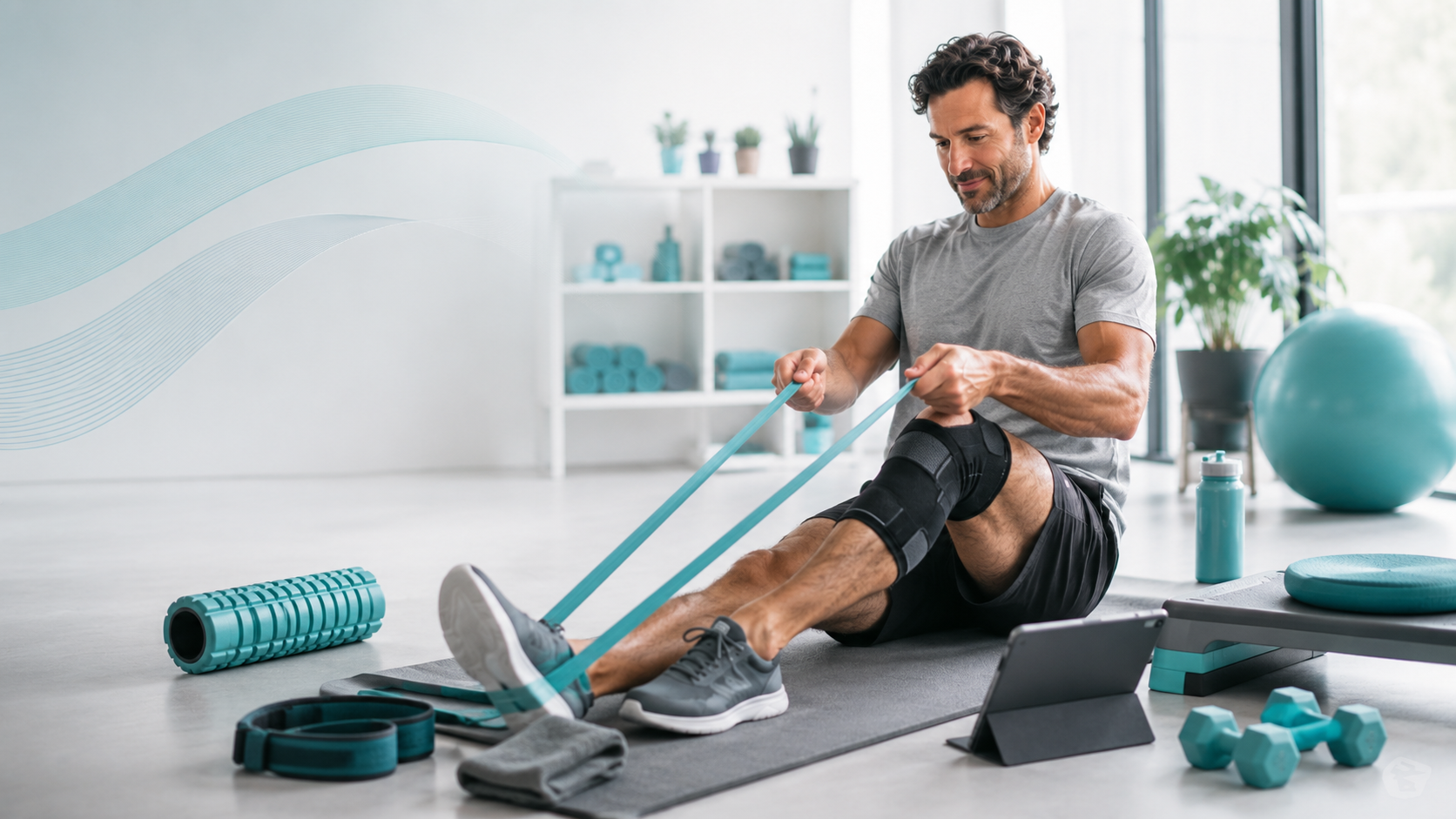
Person performing a guided knee exercise while following an exercise program on a tablet.
Search by name

Already know the exercise you need?

Find it quickly, then use the exercise page to review setup, dosage guidance, symptom-response rules, and ways to adjust the movement.

Popular starting points Open a focused group of options—not a complete program.
Find an exercise

Start with the three filters that matter most.

Choose a body region, the training focus you are working on, and the rehab level that matches your current capacity. Open Advanced Filters only when the results are still too broad.

Use the library within a plan The library helps you find options. Your program should determine dosage, symptom response, and progression.
Primary Filters

Use one, two, or all three. Start broad enough to keep useful options visible.

Advanced Filters Movement pattern, equipment, position, and contraction type
Refine Your Results

Use these only when the primary filters leave too many options. Highly specific combinations may hide useful exercises.

Currently showing

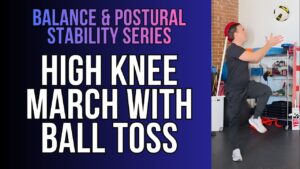
Standing alternating march that adds a ball toss to create a dual-task balance and coordination challenge.

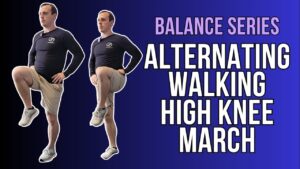
Dynamic walking drill that combines alternating high-knee marching with controlled single-leg stance and forward progression.

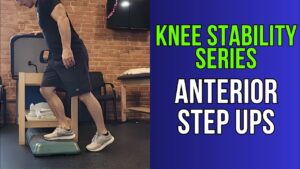
Forward step-up that builds functional hip and knee strength for stairs and curb negotiation.

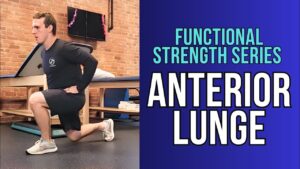
Forward-stepping lunge that builds unilateral hip and knee strength while practicing controlled weight acceptance.

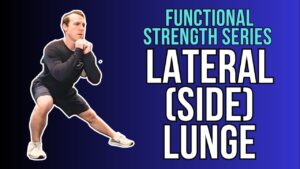
Lateral stepping lunge that builds frontal-plane hip and knee strength while practicing controlled side-to-side weight acceptance.

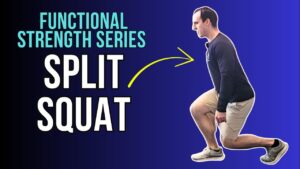
Stationary split-stance strength exercise that builds unilateral hip and knee capacity without a stepping component.

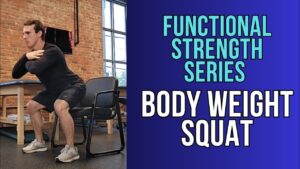
Bodyweight squat using a chair as a consistent depth target to build functional hip and knee strength.

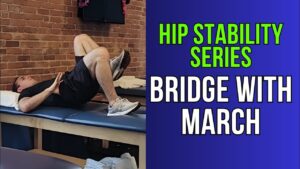
Bridge variation that alternates lifting one foot while the pelvis stays elevated and level.

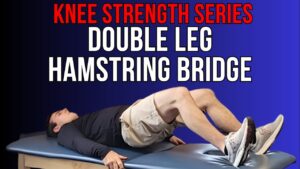
Hamstring-biased bilateral bridge with the heels elevated to increase leverage and posterior-chain demand.

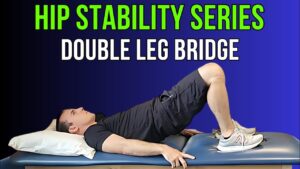
Bilateral bridge that builds glute and hip-extension strength while keeping the pelvis controlled.

Hamstring-biased bilateral bridge that increases posterior-chain demand by positioning the feet farther from the hips.

Bilateral squat-jump exercise that develops lower-body power and controlled two-leg landing mechanics.