About Therapeutic Edge

Rehabilitation should be easier to understand.

Therapeutic Edge provides clear education, practical recovery guidance, and structured tools to help people understand what matters, choose a useful next step, and adapt as recovery changes.

Built for people managing orthopedic conditions, preparing for surgery, recovering afterward, or trying to make sense of changing symptoms and function.

Why Therapeutic Edge exists

Recovery advice is everywhere. Clear guidance is not.

Many people receive a diagnosis, a list of exercises, or general advice to rest, strengthen, stretch, or stay active. What is often missing is the context needed to use that advice well.

People are left wondering which symptoms matter, what to focus on first, how hard to push, when to adjust, and whether recovery is moving in the right direction.

Therapeutic Edge was created to help close that gap. The purpose is not to overwhelm people with more information. It is to make recovery easier to understand, easier to act on, and easier to adapt when circumstances change.

The goal is simple: help people know what matters, what to do next, why it matters, and how to judge the response.
The Recovery Framework

A practical way to navigate recovery.

Therapeutic Edge organizes recovery around four connected steps that help turn information into meaningful decisions.

1

Understand

Make sense of the condition, symptoms, expected recovery process, and important warning signs before acting.

2

Focus

Narrow attention to the priorities most likely to matter now instead of trying to solve everything at once.

3

Act

Take practical action with enough context to apply the plan consistently and appropriately.

4

Learn

Interpret the response, recognize meaningful progress, and adjust when new information justifies a change.

Understand → Focus → Act → Learn is a repeating cycle, not a rigid one-time sequence.

What makes Therapeutic Edge different

Education should improve decisions—not create dependence.

Therapeutic Edge is built to help people participate more confidently in recovery while respecting the role of their surgeon, physician, physical therapist, and broader healthcare team.

01

Clear understanding

Recovery information is organized around the decision in front of the person. The priority is clarity—not showing how much information can fit on a page.

02

Action with context

Exercises and recommendations should include a clear purpose, practical guidance, appropriate dosage, and a way to interpret the response.

03

Adaptation and independence

Recovery changes. Good guidance should help people monitor trends, respond thoughtfully, adjust when needed, and become more capable over time.

How resources are developed

Trustworthy guidance should be clear, useful, and honest.

Credentials matter, but trust also depends on clear explanations, responsible clinical review, honest limitations, and useful next steps.

Clinically grounded Guidance reflects orthopedic rehabilitation principles, relevant evidence, clinical reasoning, and real-world experience.
Practical Every resource should help the person make a clearer decision, take a useful action, or identify the next appropriate step.
Honest and appropriately qualified Therapeutic Edge avoids exaggerated promises, fear-based messaging, and false certainty while clearly explaining limitations and uncertainty.
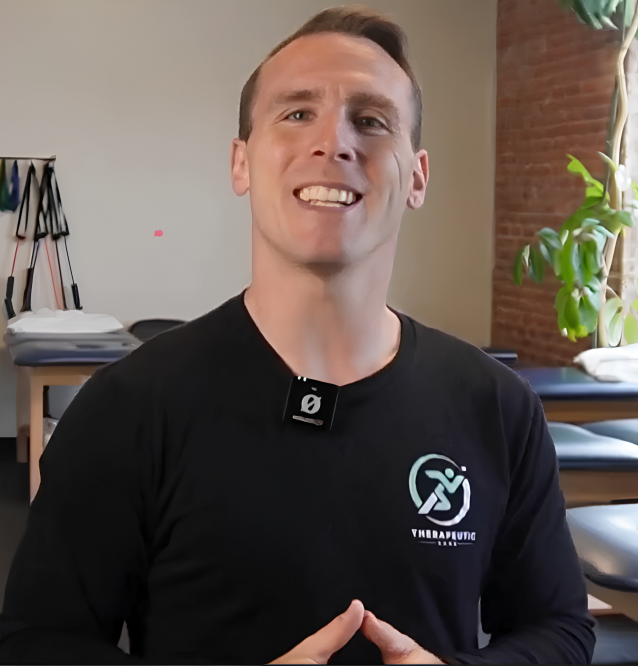
Bobby Dattilo, board-certified orthopedic physical therapist and founder of Therapeutic Edge
Bobby Dattilo PT, DPT, OCS · Founder · Board-Certified Orthopedic Physical Therapist
Clinical leadership

Clinical accountability behind the platform.

Therapeutic Edge was founded and is clinically led by Bobby Dattilo, PT, DPT, OCS, a board-certified orthopedic physical therapist with experience helping people navigate surgical and nonsurgical musculoskeletal recovery.

Bobby completed a post-professional orthopedic physical therapy residency and is currently a Fellow-in-Training through NAIOMT, where he continues advanced training in orthopedic manual physical therapy.

He creates or clinically reviews Therapeutic Edge educational resources to help ensure the guidance remains clear, practical, clinically grounded, and consistent with the standards of the platform.

Completed post-professional orthopedic physical therapy residency training
Board-certified as an Orthopaedic Clinical Specialist (OCS)
Current Fellow-in-Training through NAIOMT
Clinical accountability

Therapeutic Edge clinical content is created or reviewed under the responsibility of a board-certified orthopedic physical therapist.

Education that supports your care

Better understanding should strengthen—not replace—your healthcare relationships.

Therapeutic Edge provides general rehabilitation education and structured recovery support. It can help you understand recovery, prepare better questions, and participate more confidently in care. It cannot diagnose an individual condition or replace an evaluation and treatment plan from an appropriate healthcare professional.

Read the Medical Disclaimer
Clearer rehab. Smarter recovery.

Start with the recovery question in front of you.

Explore free rehabilitation resources for focused questions, or choose a structured Recovery Guide when you need a clearer path through a longer recovery journey.